Caribbean Food Centennial: How Food Preserved Island Heritage
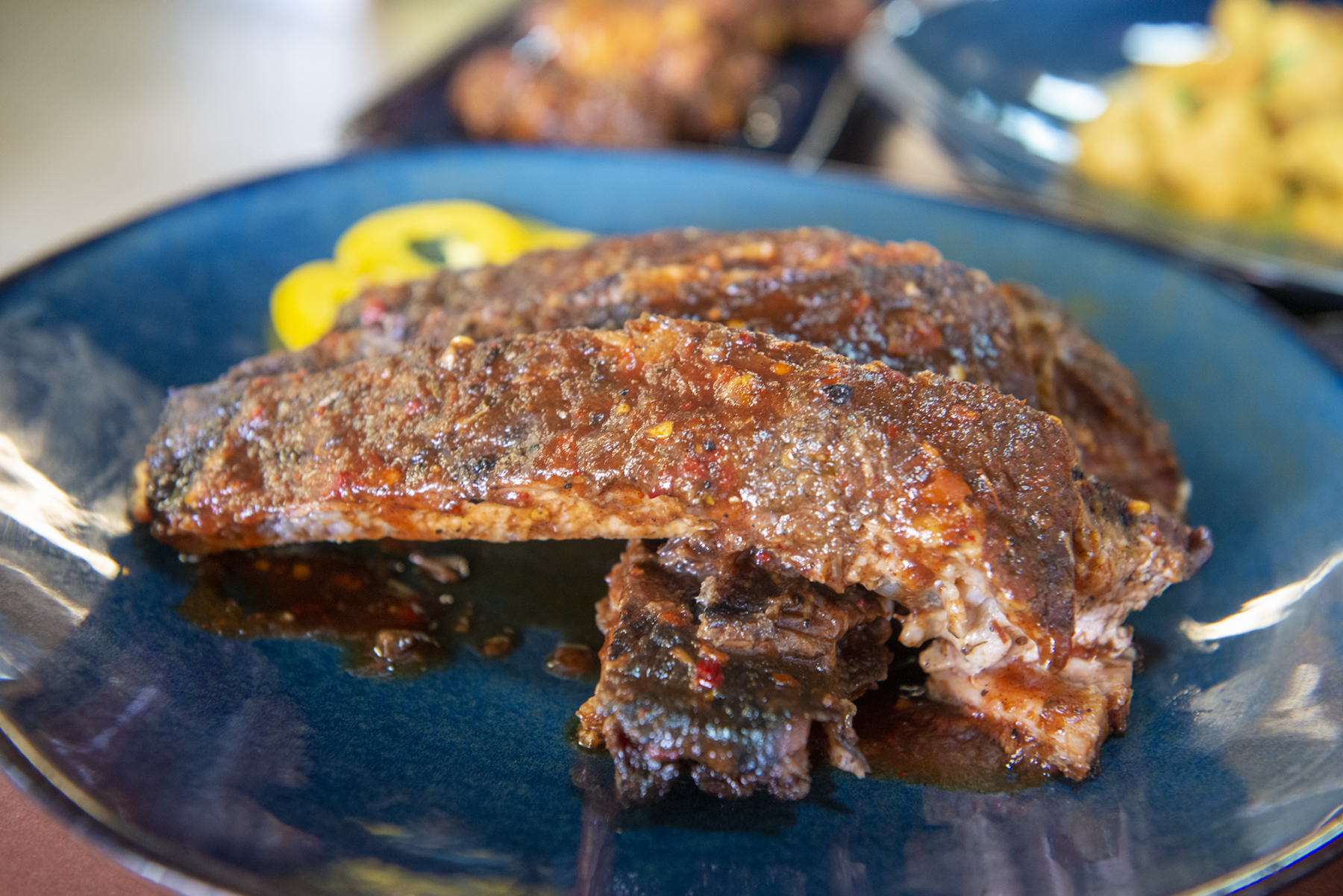
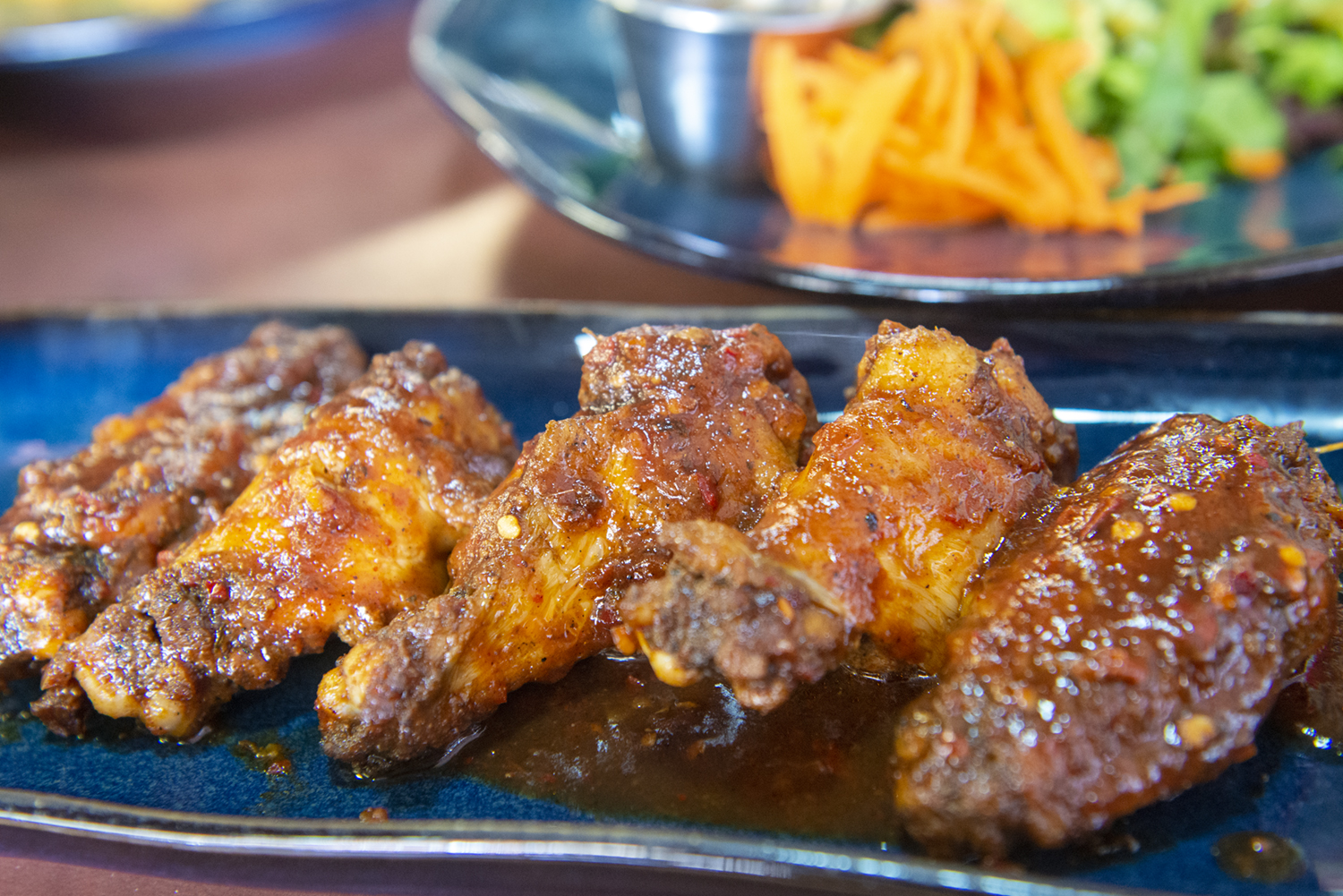
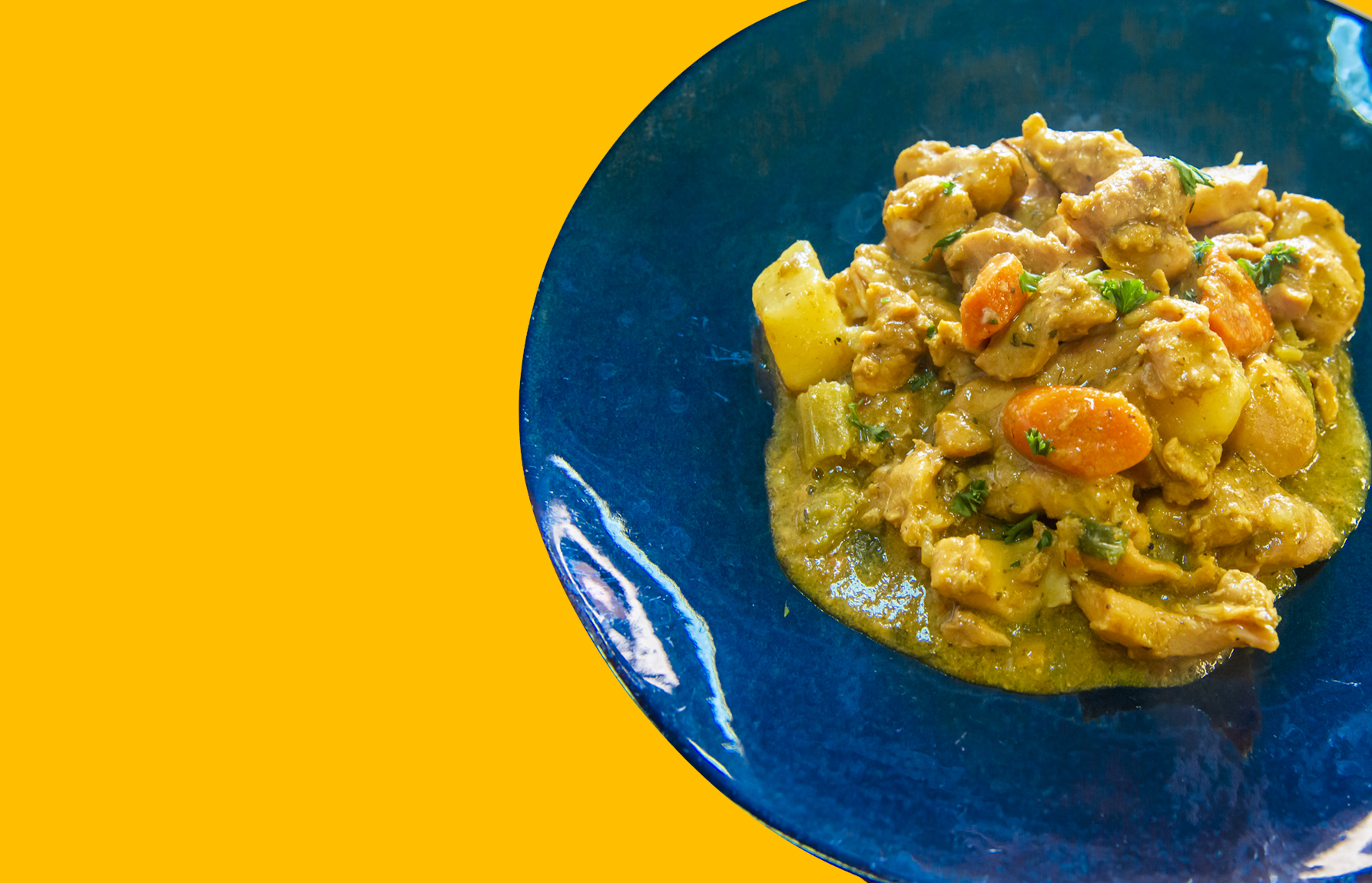
A century is long enough to lose a language, redraw a map, flatten a neighborhood, or turn a farming village into a tourism corridor. It is also long enough for a recipe to survive three migrations, a hurricane, and a generation that swore it was too busy to cook, only to return years later looking for the taste of home. That is what makes a caribbean food centennial worth examining closely. Food has not merely accompanied island history. It has carried it, protected it, and made it edible.
Across the Caribbean, heritage has always moved through the kitchen as much as through archives, churches, and schools. A pot of callaloo, a Sunday rice dish, cassava baked on a flat griddle, or fish cured with lime and pepper can hold memory in a way official history often cannot. These are not sentimental symbols detached from daily life. They are working traditions, shaped by scarcity, adaptation, migration, and celebration. People preserved culture because they had to eat, and while feeding their families they also passed down methods, names, beliefs, and values.
When people talk about Caribbean identity, they often reach first for music, carnival, language, or religion. All of those matter. Still, food deserves equal attention because it is the most repeated cultural act in ordinary life. You may dance at festivals a few times a year. You eat every day. Repetition matters. Repetition is how culture stays alive.
A region built from movement, then rooted by the stove
No serious discussion of Caribbean food can ignore the region’s history of movement. Indigenous foodways existed long before European arrival, with cassava, maize, peppers, sweet potatoes, and seafood central to everyday life. Then came colonization, plantation economies, forced African migration, indentureship from India and parts of Asia, and later movement from China, the Middle East, and within the Caribbean itself. The result was not a tidy fusion. It was a layered, uneven, often painful history that still lives in the food.
What survived was rarely preserved in pure form. It was transformed in response to available crops, market restrictions, climate, labor schedules, and status. African cooking knowledge met Indigenous ingredients. Indian spice traditions were reworked with local peppers, green seasoning, and island-grown starches. European techniques were reduced, stretched, or redirected in kitchens where access to imported goods was limited. Chinese migrants adapted wok cooking to island produce and proteins. Saltfish, once tied to trade routes and colonial provisioning, became woven into beloved national dishes in several territories.
That is the first lesson of the caribbean food centennial story. Heritage in the Caribbean was not preserved by freezing tradition in place. It was preserved by adjusting without surrendering identity. Good cooks knew the difference.
I have seen this in conversations across Caribbean households, where no one talks like a curator guarding a museum artifact. They talk like practical people. If breadfruit is in season, use it. If fresh fish is too expensive this week, make do with salted cod or mackerel. If imported flour is scarce, return to cassava, plantain, yam, or cornmeal. These choices are economic, but they are also cultural. The kitchen remembers older systems of survival.
The grandmother principle
Many of the strongest food traditions in the Caribbean survived because they were held by women who cooked often enough to make memory unavoidable. Not every household fit that pattern, and men have long played major roles in fishing, outdoor cooking, festive meat preparation, and professional kitchens. Still, in many families, especially through much of the twentieth century, the grandmother, mother, aunt, or older neighbor functioned as a living archive.
She might never have written a recipe down. She often did not need to. The recipe lived in sequence, touch, and smell. Brown the sugar until it reaches the right shade for stew. Grate the coconut before noon so it does not turn. Wash the saltfish enough to soften it, but not so much that it loses all character. Roast the pepper lightly if you want warmth with depth rather than sharp attack. Leave the dough to rest until it looks alive. These are not abstract instructions. They are precise forms of knowledge built from repetition.
That kind of teaching preserves more than flavor. It preserves pace. It teaches younger people how long certain dishes take and why. A proper pelau cannot be rushed beyond a point. A yam or pigeon pea dish tells you something about patience and timing. A black cake mixed for Christmas is part baking, part family ritual, part annual marker of continuity. Food teaches calendar time as well as cook time.
The strongest tradition-bearers also knew when to bend rules. That is another reason they were so effective. Rigid cooks can break a tradition by making it too intimidating to continue. Skilled elders often kept standards high while allowing substitutions that made survival possible. If the ideal variety of bean was unavailable, another would do. If one herb was missing, a nearby plant might stand in. If meat was scarce, vegetables, dumplings, or ground provisions could make the meal stretch. Adaptation was never seen as failure. It was competence.
Markets, yards, and fishing beaches as cultural classrooms
Food heritage is often described through restaurants and famous national dishes, but that misses where most transmission happens. In the Caribbean, markets, home gardens, fishing beaches, and roadside stalls have done as much preservation work as formal institutions.
Visit a market early enough and you understand how local memory gets reinforced. The produce itself tells stories. Dasheen, eddoes, cassava, breadfruit, green bananas, sorrel, pigeon peas, Scotch bonnet peppers, shadow beni, thyme, and coconuts are not simply ingredients on display. They are prompts for a hundred remembered preparations. A vendor does not just sell you a bunch of callaloo. She tells you whether to steam it, cook it down with coconut milk, or pair it with crab if you can find some. Technique travels along with produce.
Fishing communities have a similar role. The way fish is cleaned, salted, fried, stewed, curried, or cooked in rundown carries place-specific knowledge. One island may favor certain seasonings or side dishes, another may handle the same species differently depending on sea conditions, market demand, or inherited taste. Even the choice between grilling over coals and pan-frying in shallow oil can reveal a great deal about local habit and available equipment.
Yard cooking matters too. Many island recipes were designed for spaces where fuel, heat, and weather shaped decisions. Coal pots, open fires, and outdoor kitchens influenced flavor and technique. Smoke, slow simmering, and shared labor all affected the final dish. A food tradition is not just a list of ingredients. It is a whole environment.
Preservation through feast days and ordinary Tuesdays
People often assume heritage survives through festivals alone. In reality, festival food matters because it is backed by everyday food. Without the ordinary Tuesday pot, the ceremonial dish loses context.
The Caribbean has always had feast foods tied to Christmas, Easter, Carnival, emancipation celebrations, harvest moments, weddings, wakes, and community gatherings. Think of pastelles, black cake, sorrel drink, curries prepared in large quantities, special breads, spiced meats, and labor-intensive sweets. These dishes preserve identity because they are seasonal and collective. Families plan for them, argue over them, and compare them across households. That repetition hardens memory.
Yet ordinary meals may do even more long-term preservation work. A breakfast of fried plantain and saltfish, a lunch of rice and peas with stewed chicken, a bowl of fish tea, or cassava bread eaten with a simple spread can shape identity more deeply because it appears so often. Repetition gives food cultural weight. A child who eats a dish once a year may admire it. A child who eats it weekly absorbs it.
This is one reason migration did not erase Caribbean food as easily as some expected. Holiday dishes might have been hard to reproduce abroad at first, but the everyday dishes were often portable. Rice, beans, root vegetables, flour, dried spices, onions, garlic, and salted or frozen fish could usually be found or approximated. Once these meals reappeared in London, Toronto, New York, Miami, or Amsterdam kitchens, so did the rhythms of island life.
Migration changed the table, but not the instinct
The Caribbean diaspora preserved food under pressure. Immigrant families often arrived in places where work hours were longer, kitchens were smaller, ingredients were unfamiliar, and social pressure encouraged assimilation. Under those conditions, cooking a heritage dish becomes an act of insistence.
At first, the adaptations can be stark. Green seasoning may be made with herbs from a supermarket rather than from a backyard patch. Breadfruit might be replaced by potatoes in a pinch. Fresh coconut milk gives way to canned. Smoke flavor disappears because the apartment building does not permit outdoor fire. Some would argue that these shifts weaken authenticity. In practice, they often keep tradition alive long enough for the next generation to reclaim it more fully.
A second-generation cook may begin with the simplified version learned in a migrant household, then spend years trying to recover the older methods. That recovery is part of the centennial story too. Heritage preservation is rarely linear. Families lose certain details, then rediscover them through elders, travel, community events, cookbooks, oral history projects, or social media exchanges with relatives back home.
There is a trade-off here worth stating plainly. As Caribbean dishes gain global popularity, visibility increases, but context can thin out. A jerk marinade sold as a bottled flavor, or a generic “island bowl” on a cafe menu, may introduce new audiences to Caribbean taste. It may also flatten distinct traditions into a single tropical category. Preservation requires more than exposure. It requires naming origins, respecting differences among islands, and understanding that two dishes with similar ingredients may come from very different histories.
Ingredients as evidence of survival
If you want to understand how food preserved island heritage over the last hundred years, pay attention to ingredients that endured despite economic pressure, agricultural change, and imported food dependence.
Cassava is a prime example. Long central to Indigenous Caribbean diets, it persisted through bread, farine, and other preparations even as wheat products became dominant in many places. Its survival is not trivial. It represents continuity with precolonial food knowledge and a practical starch adapted to local conditions.
Breadfruit tells another story. Once introduced and spread within colonial systems, it became deeply integrated into island cooking and caribbean food centennial Reggae Pot Jamaican Grill household economies. Roasted, boiled, fried, or turned into chips and mash, it fed generations affordably. The ingredient itself may have arrived through empire, but local communities made it their own and embedded it in island identity.
Saltfish is another remarkable case. Its roots lie in Atlantic trade networks and colonial labor systems, yet Caribbean cooks transformed it so thoroughly that it became intimate, familiar, and culturally meaningful. Paired with ackee in Jamaica, with provision and bakes elsewhere, or folded into fritters and stews across the region, it shows how people can reclaim an ingredient from a difficult history and make it part of home.
Peppers, thyme, allspice, coconut, pigeon peas, yams, green bananas, and plantains all carry similar stories. Some are native, some imported, some naturalized over centuries. Together they form a pantry of resilience. Even when imported processed foods became more common in the twentieth century, these ingredients stayed culturally charged. They still signaled “our food” in a way canned soups and boxed mixes rarely could.
Why recipes alone are not enough
Many heritage projects focus on collecting recipes. That work has value, but recipes are incomplete without method, language, and context. In Caribbean cooking, proportions are often adjusted by eye and feel. Heat intensity matters. Pot shape matters. Ripeness matters. So does sequence.
A written recipe may say to “cook until tender,” but anyone who has handled green fig, okra, or cassava knows tenderness has stages. It may say “season the meat,” but green seasoning in Trinidad and Tobago is not identical to seasoning blends used in Barbados, Jamaica, or Saint Lucia. A recipe may mention “peas,” while meaning pigeon peas in one household and kidney beans in another. These are not small details. They are the difference between generic reconstruction and living tradition.
Language preserves heritage too. Food terms often survive in Creole, patois, or inherited local speech even when the wider language environment changes. The names of tools, cuts, textures, and cooking stages carry history. Lose the terms, and nuance disappears. That is why some of the best food preservation work happens around a stove with an elder explaining what “enough” looks like.
The pressure points facing the next hundred years
Caribbean food has survived a great deal, but survival should not be romanticized. Some traditions are genuinely under strain. Agricultural land is shrinking in certain places. Younger people may work hours that leave little time for long cooking. Imported processed food can be cheaper and faster than local produce, especially when local farming is under-supported. Climate change affects fisheries, rainfall, storm frequency, and crop reliability. Tourism can create demand for polished versions of local dishes while marginalizing the ingredients and labor systems that sustain them.
There is also the issue of prestige. For decades, some island families associated imported food with status and local staples with hardship. That attitude softened in many places as culinary pride grew, but it has not vanished. Heritage food can still be undervalued until it appears on an upscale menu with a story attached. Real preservation depends on respecting the dish in the home kitchen as much as in the boutique hotel restaurant.
At the same time, there are strong reasons for optimism. Young Caribbean cooks, writers, farmers, bakers, and food historians are documenting techniques with new seriousness. Diaspora communities are opening businesses that do more than sell food. They educate customers, recover regional distinctions, and treat family methods as worthy of record. Schools, festivals, and community groups increasingly understand that food is not a side attraction. It is part of cultural literacy.
What a true caribbean food centennial should honor
If a centennial celebration is only decorative, it misses the point. A real caribbean food centennial should honor the people who kept culture intact under constraint, often without praise. It should make room for fisherfolk, market women, cane workers, home cooks, street vendors, bakers, and grandmothers with unwritten formulas in their hands. It should also acknowledge that Caribbean food history contains pain alongside ingenuity. Many cherished dishes emerged from unequal systems, rationing, and necessity. Respecting the food means respecting that history honestly.
It should also resist treating the Caribbean as one flavor profile. The region shares patterns, but it is not interchangeable. Jamaican patties are not the same story as Trinidadian doubles. Bajan cou-cou is not interchangeable with fungi elsewhere. Haitian soup joumou carries a different national meaning than a festive soup in another territory. Callaloo itself varies widely depending on island and family. Preservation improves when specificity improves.
The practical work of heritage preservation is not glamorous. It looks like seed saving, supporting local fishers, teaching children how to peel and prep provisions, recording elders before memory fades, and paying food workers fairly enough that traditional cooking remains viable. It looks like cooks taking the time to explain why one pepper goes into the pot whole and another gets chopped. It looks like someone deciding not to simplify a dish beyond recognition just because a faster version sells better.
The taste that keeps returning
What makes Caribbean food so durable is that it does not survive as nostalgia alone. It survives because people continue to crave it physically, emotionally, and communally. A person can spend decades abroad, eat every fashionable cuisine, and still light up at the smell of coconut simmering with herbs, onions, and pepper. That reaction is heritage at work. It is not vague sentiment. It is embodied memory.
Over the last hundred years, Caribbean food has preserved island heritage by doing many jobs at once. It nourished families under economic stress. It marked holidays and grief. It absorbed migration without losing its accent. It carried names, textures, and techniques that official narratives often ignored. It kept older agricultural knowledge in circulation. It taught younger generations where they came from, not through lectures, but through appetite.
That may be the most powerful form of cultural preservation there is. People protect what they love, and they return to what tastes like belonging. Caribbean food has offered that belonging again and again, across islands and oceans, over a full century and more.
Reggae Pot Jamaican Grill
Address: 7562 S University Blvd Unit C, Centennial, CO 80122
Phone: (303) 997-5623
FAQ About caribbean food centennial
What Jamaican dishes can I try in Centennial?
Reggae Pot Jamaican Grill serves Jamaican specialties such as jerk chicken, stewed oxtail, curry goat, and ackee and saltfish. Check the current menu for availability.
What is ackee and saltfish?
It is Jamaica’s national dish. The restaurant prepares ackee with salted cod, onions, thyme, tomatoes, garlic, black pepper, and pimento.
Can I order Jamaican food for pickup in Centennial?
Yes. Choose the Centennial location at 7562 S University Blvd Unit C when placing a takeout order.
Ends · ISRAELYZSE309