100 Years of Island Flavor: Caribbean Food Centennial Tribute
A centennial tribute to Caribbean food has to begin with respect. Not just for the dishes that fill the table, but for the hands that built them, the routes that carried ingredients across oceans, and the stubborn ingenuity that turned scarcity into cuisine with depth, perfume, and memory. Caribbean food does not sit still long enough to be reduced to a single flag, a single spice blend, or a single idea of “island cooking.” Over the last hundred years, it has absorbed migration, empire, trade, war, tourism, climate shocks, and diaspora reinvention, then returned to the pot with its character intact.
That is what makes a Caribbean food centennial worth honoring. You are not looking back at a museum piece. You are looking at a living foodway, one that has continued to feed fishing villages, city neighborhoods, roadside cookshops, church halls, family yards, and restaurant dining rooms from Kingston to Castries, from Port of Spain to San Juan, from Havana to Bridgetown, and far beyond the sea itself. In many kitchens, the recipes are old, but the judgment is immediate. A cook still tastes the pot, still adjusts for this season’s thyme, this vendor’s cassava, this batch of coconut milk, this lean cut of goat that needs time and patience.
The centennial frame matters because a hundred years is long enough to see how food keeps culture intact while allowing it to breathe. It is also long enough to see how much Caribbean cooking has given to the wider world, often without full credit.
A century carried in the pot
If you step back a hundred years, much of the Caribbean was still defined by plantation afterlives, colonial trade patterns, and hard economic limitations. Food in many households was shaped by what could be grown close to home, what could be salted or dried, and what could stretch to feed many people. Ground provisions were not fashionable terminology then, they were dinner. Yam, cassava, eddoe, sweet potato, green banana, breadfruit, and dasheen gave substance and staying power. Rice and peas or rice and beans were not side dishes in the modern restaurant sense. They were central to the logic of the meal, protein and starch in conversation, a practical architecture of nourishment.
Over time, those practical meals became recognized for what they always were: sophisticated systems of flavor. Slow braising, seasoning overnight, balancing heat with sweetness or acid, building body with coconut, using smoke and char with precision, preserving fish and meat by salting, curing, or peppering, each technique carried a purpose. Nothing was random. Even dishes that outsiders sometimes call rustic depend on exact timing and instinct. A cook knows when callaloo has cooked down enough to turn lush but not tired. A cook knows how long escovitch vegetables should sit before they soften too far. A cook knows that a pot of pelau can go from beautifully toasted to bitter if you lose focus for two minutes.
The last century also changed what Caribbean people could access. Refrigeration became more common. Imported goods expanded pantry options. Tourism encouraged certain dishes to become national calling cards. Migration transformed the flow of ingredients, sending Caribbean tastes into London, Toronto, New York, Miami, Amsterdam, and beyond. Scotch bonnet peppers, jerk seasoning, cassareep, sorrel, tamarind, and plantains stopped being unfamiliar to many outside the region. Yet that wider recognition came with a trade-off. Some dishes grew famous in simplified forms, while the everyday depth of Caribbean cooking remained underappreciated.
Many islands, many histories, one powerful conversation
To say “Caribbean food” in the singular is useful for celebration, but not for precision. The region holds Spanish, French, Dutch, British, Indigenous, African, Indian, Chinese, Lebanese, and other culinary inheritances, all filtered through local climate and local survival. A stew in one island can share a family resemblance with a stew in another, while tasting entirely different on the spoon.
That complexity is one of the great strengths of the cuisine. Jamaica’s jerk tradition, with its roots in Maroon preservation and spice craft, speaks differently than Trinidad and Tobago’s doubles culture, where bara, channa, and pepper sauces create one of the world’s great street foods. Cuban black beans and rice, Puerto Rican sofrito, Dominican sancocho, Haitian griot, Barbadian cou-cou, Guyanese pepperpot, Martinican accras, Curaçao’s stews, and St. Lucian green fig and saltfish all belong to a shared sea of influence without losing their local authority.
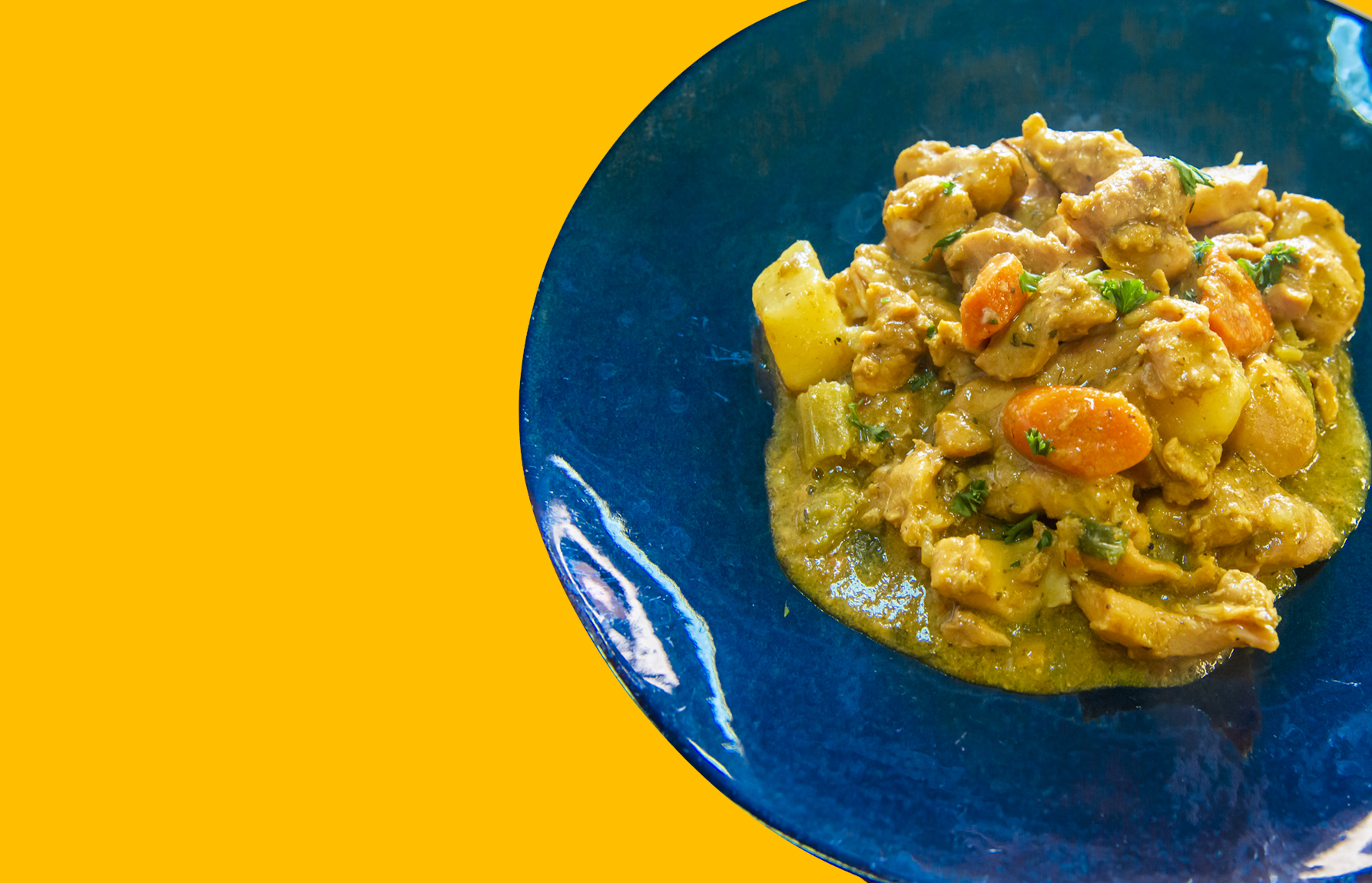
The best tribute to a century of island flavor is to resist flattening it. Ackee and saltfish is not merely “like scrambled eggs.” Callaloo is not one single recipe everywhere. Curry in the Caribbean is not a copy of Indian curry, but a regional evolution shaped by local peppers, local herbs, and generations of adaptation. Even rum cake, caribbean food centennial black cake, and fruit cake tell the story differently depending on where they are made, how long fruit is soaked, which spices dominate, and whether the final crumb leans dense, plush, or almost pudding-like.
Anyone who has spent time eating through the region knows this firsthand. The same ingredient can act like a different ingredient from one shore to the next. Coconut is a perfect example. In some kitchens it rounds out and softens. In others it deepens savory intensity. In desserts it can caribbean food centennial be delicate or assertive. In rice it can become the soul of the dish rather than a background note.
The pantry of endurance
One of the most revealing ways to understand the last hundred years of Caribbean cooking is to study its pantry. The region’s most characteristic ingredients are not only delicious, they are historically revealing. They tell you what could be cultivated, what traveled well, what fed workers, what survived storms, what marked celebration, and what connected one community to another.
Scotch bonnet and other hot peppers do more than bring heat. They shape aroma, structure sauces, and sharpen rich foods. Allspice, thyme, scallion, garlic, ginger, and onion appear with such regularity because they form a durable flavor base that can flex across meat, fish, legumes, and vegetables. Coconut, whether grated fresh, steeped, or pressed into milk, supplies fat and fragrance in places where dairy was never the center of the culinary system. Cassava and corn connect present-day tables to much older Indigenous food knowledge. Saltfish, smoked herring, and cured meats point to preservation methods born of necessity and trade. Cane sugar haunts the entire archive, from desserts and drinks to the brutal plantation economies that made them possible.
Breadfruit deserves special mention in any Caribbean food centennial reflection. Introduced to the region during the colonial period, it became one of those ingredients that was first imposed by history and then fully claimed by culture. Roasted over coals, boiled, fried, mashed, or turned into chips, it now belongs to the emotional landscape of the Caribbean table. The same can be said for plantains, especially green ones, which move easily between breakfast, lunch, dinner, and snack, sometimes crisp and salted, sometimes soft and sweet, sometimes mashed with garlic or folded into soups.
The brilliance of this pantry lies in its range. It can produce luxury and thrift at the same time. A pot of red peas soup with dumplings can be deeply economical, and still taste like abundance. A plate of grilled lobster with festival and pepper sauce can read as celebratory, but it often rests on the same flavor logic as humbler meals cooked all week long.
The labor behind the flavor
Romance is easy when talking about island food. Accuracy is harder, and more important. Caribbean cuisine has always depended on labor that is skilled, repetitive, and often underrecognized. To prepare a Sunday spread for a family gathering might involve grating coconut by hand, shelling peas, chopping seasoning vegetables, marinating meat overnight, soaking salted fish, peeling root vegetables, cleaning greens, watching multiple pots, and timing fried items so they hit the table hot. None of that happens by magic. It happens because someone commits hours of work and years of tacit knowledge.
In many Caribbean households, recipes were not written because they did not need to be. That can sound charming until you realize how much it asks of memory. “Season till it smell right” is not vague to an experienced cook. It is a complete instruction encoded in practice. “Brown the sugar” before adding meat for stew is simple language masking a demanding technique. If the caramel goes too far, the whole dish carries bitterness. If it does not develop enough, the flavor lacks its characteristic backbone.
Over the last hundred years, this knowledge passed through mothers, grandmothers, fathers, aunties, market vendors, fishermen, bakers, and street cooks, as well as hotel chefs and restaurant professionals. Every one of them shaped the public understanding of Caribbean food. Some did it without prestige or publicity, standing over a coal pot at dawn or setting up a roadside stall in punishing heat. When people speak about tradition, this is what they should mean: not static recipes, but repeated acts of care and competence.
Street food, home food, and the restaurant lens
One of the recurring tensions in the modern story of Caribbean cuisine is the gap between what gets celebrated publicly and what people actually eat. Tourists often meet Caribbean food through a narrowed set of dishes, grilled seafood, jerk chicken, rum punch, patties, fried plantains. Those foods matter, but they are not the whole table.
The deep grammar of Caribbean eating often lives in home food and street food. Soup on Saturday. Rice built to stretch across the week. Fried fish bought at the roadside and eaten with your hands. A breakfast that includes saltfish, ground provisions, bush tea, bake, or porridge depending on where you are. A late-night stop for doubles or soup after lime. The everyday repertoire carries the culture more reliably than resort menus do.
Restaurants across the region and in the diaspora have done valuable work in recent decades by refining presentation, reviving heritage ingredients, and pushing technique. That said, there is always a risk when cuisines enter formal dining spaces. Portions shrink, prices rise, and dishes can become detached from the communities that sustained them. The strongest chefs understand this tension. They modernize with restraint. They know that a polished plate means little if the seasoning is timid or the dish forgets its own logic.
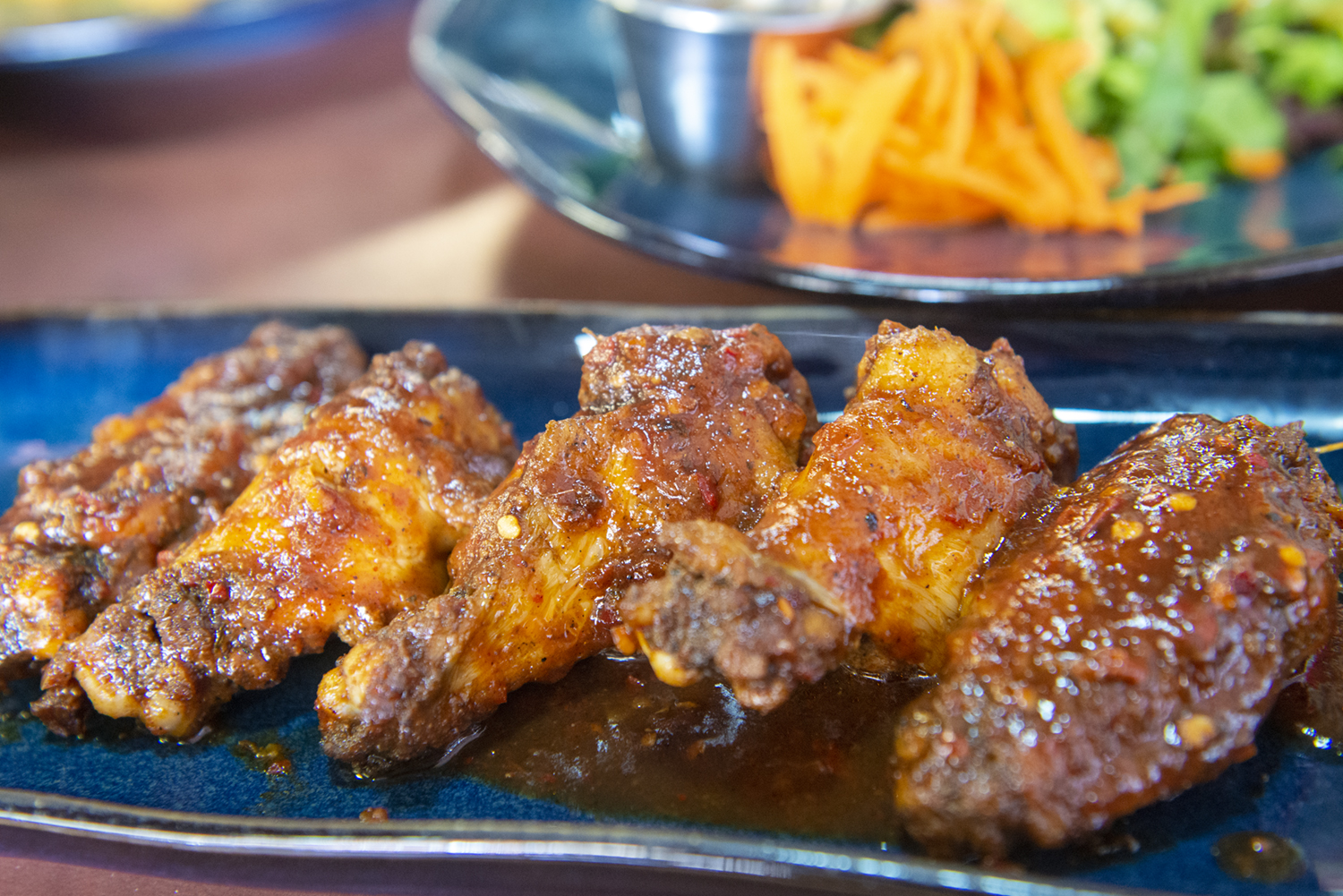
I have seen this divide play out clearly with jerk. In excellent hands, jerk remains elemental: pimento, pepper, smoke, time, and controlled fire, all working together to season the meat to the bone. In weaker restaurant interpretations, it becomes a sweet glaze and a bit of branding. The label survives, but the method disappears. That is not evolution. It is dilution.
The diaspora changed the map
No honest centennial tribute can ignore the role of migration. Over the twentieth century and into the present, Caribbean people carried recipes with them and then rebuilt those recipes under new conditions. Cold climates changed what grew locally. Import restrictions affected ingredients. Time pressures altered labor-intensive methods. At the same time, diaspora communities created markets, bakeries, takeaways, and restaurants that preserved flavors many families feared they might lose.
This is one reason Caribbean cuisine now has such a broad reach. A generation raised in Brooklyn, Brixton, Toronto, or Rotterdam might know sorrel at Christmas as surely as relatives back home. They may buy frozen callaloo instead of picking leaves fresh. They may use electric ovens instead of outdoor drums and coal pots. They may make black cake in smaller city kitchens with ingredients sourced from specialty shops. The setting changes, but the ritual remains recognizable.
Diaspora cooking also introduced productive hybrids. Roti shops adapted to new customers without abandoning core technique. Caribbean Chinese food developed its own place in neighborhood life. Fast-casual formats brought dishes like jerk bowls and curry plates to office lunch crowds, sometimes successfully, sometimes clumsily. The best examples preserve seasoning integrity and textural contrast. The weaker ones tend to flatten the cuisine into salt, heat, and sugar.
There is no contradiction in saying that Caribbean food became more global while also becoming more protective of its roots. That is often what mature cuisines do.
Celebration dishes and the clock of the year
A hundred years of Caribbean food cannot be measured only by recipes. It must also be measured by when those recipes appear. Time matters. Certain dishes taste the way they do because they are tied to the calendar, to ritual, to weather, or to family movement.
Christmas across much of the Caribbean is unimaginable without black cake, sorrel, and a table built for company. Carnival seasons bring their own rhythms of street eating and late-night fuel. Easter can shift the menu toward fish and buns in some communities. Independence celebrations often amplify national dishes, not as performance alone, but as edible memory. Even hurricane season shapes the kitchen, emphasizing staples that store well and methods that adapt to interruption.
The emotional force of these foods comes from repetition. When the same dish returns year after year, it becomes more than flavor. It becomes evidence that a family, a neighborhood, or a people have continued. That is why certain recipes provoke fierce debate. Whether a stew should be darker, whether raisins belong, whether callaloo should be silky or coarse, whether coconut belongs in a particular rice dish, these arguments are not trivial. They are signs that people care enough to defend continuity.
What the next hundred years will demand
The future of Caribbean cuisine will not be secured by nostalgia alone. Several pressures are already visible. Climate volatility affects fisheries, rainfall, crop yields, and food prices. Younger generations often have less time for elaborate preparation. Imported processed foods continue to compete with traditional staples, sometimes undercutting both public health and local agriculture. Tourism can reward image over substance. Social media can spread awareness, but it can also reward simplified, photogenic versions of dishes that lose complexity.
Still, the foundations are strong. Caribbean cooking has always adapted under pressure. It knows how to work with seasonal uncertainty. It knows how to extract satisfaction from modest means. It knows how to honor old methods while borrowing useful new tools. The challenge is not whether the cuisine can survive. It can. The challenge is whether institutions, schools, media, and markets will value it properly.
That means supporting local growers and fishers where possible. It means documenting elder knowledge before it disappears. It means giving regional chefs room to define excellence on their own terms rather than through imported dining standards. It means teaching younger cooks that shortcuts are not always betrayals, but some are. There is judgment involved. A pressure cooker may save a weeknight pot of peas. Bottled “island sauce” that tastes like generic sweetness will not save anything.
Why the centennial tribute matters
A Caribbean food centennial is not merely an anniversary slogan. It is a chance to acknowledge a cuisine that has fed millions through upheaval while producing some of the most distinctive flavors in the world. It is also a chance to correct the record. Caribbean food has often been enjoyed casually and understood shallowly. The century behind it tells a fuller story, one of agricultural intelligence, migration, resistance, celebration, adaptation, and craft.
The food itself makes the argument better than any speech could. Taste a proper pepperpot and you encounter preservation wisdom, Indigenous influence, colonial history, and patient technique in one bowl. Eat a flaky patty with a sharply seasoned filling and you see how portability, spice, and texture meet urban life. Sit down to a plate of rice and peas, stewed chicken, fried plantain, and a crisp salad with scotch bonnet heat somewhere nearby, and you experience what Caribbean cooking does so well: it gives comfort without dullness, richness without heaviness, and structure without stiffness.
That balance is part of the region’s genius. Caribbean food knows how to be festive and practical at once. It can feed a wedding, a wake, a work crew, a schoolchild, or a beach crowd. It can be made from expensive seafood or from humble provisions. It can travel, transform, and still remain itself.
So when we mark 100 years of island flavor, the tribute should be generous but precise. Celebrate the famous dishes, yes, but also honor the soups, porridges, bakes, fritters, preserves, roasts, stews, and market snacks that rarely headline postcards. Honor the grandmother who cooked by feel, the vendor who never wrote down a ratio, the baker who woke before dawn, the farmer who kept cassava in the ground, the fisher who supplied the village, the diaspora parent who refused to let Sunday taste like nowhere.
A century from now, if the work is done well, Caribbean food will still smell like smoke, thyme, pepper, coconut, allspice, citrus, and sea air. It will still carry stories in the pot. It will still demand real seasoning and real patience. And it will still remind anyone paying attention that great cuisine is not built on trend. It is built on memory, repetition, adaptation, and pride. That is the true legacy behind this Caribbean food centennial, and it is more than worthy of tribute.
Reggae Pot Jamaican Grill
Address: 7562 S University Blvd Unit C, Centennial, CO 80122
Phone: (303) 997-5623
FAQ About caribbean food centennial
What Jamaican dishes can I try in Centennial?
Reggae Pot Jamaican Grill serves Jamaican specialties such as jerk chicken, stewed oxtail, curry goat, and ackee and saltfish. Check the current menu for availability.
What is ackee and saltfish?
It is Jamaica’s national dish. The restaurant prepares ackee with salted cod, onions, thyme, tomatoes, garlic, black pepper, and pimento.
Can I order Jamaican food for pickup in Centennial?
Yes. Choose the Centennial location at 7562 S University Blvd Unit C when placing a takeout order.
Ends · ISRAELYZSE309